
Student Experience and Careers
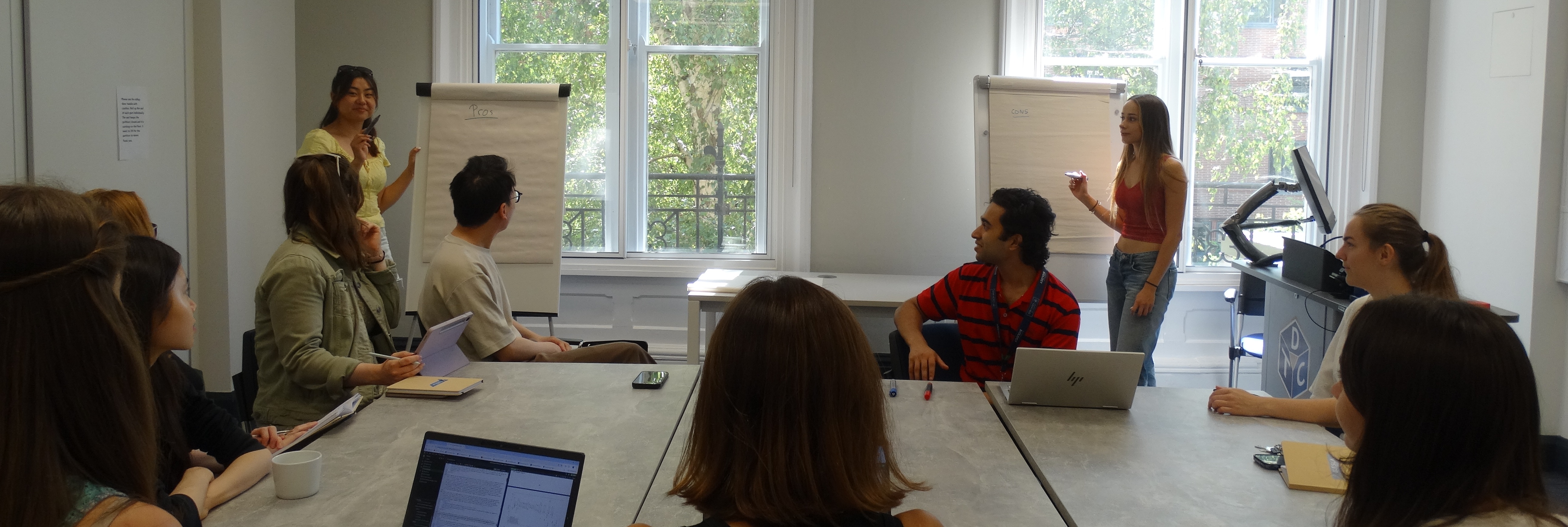
In ILESLA, you will be joining a large and diverse community of interesting people doing amazing things. You join a cohort of students with different academic backgrounds, research questions and ways of thinking. Some will arrive from bioscience, chemistry, earth sciences or ecological or archaeological research. Others will come from mathematics, physics, computer science, engineering or data-intensive disciplines. That mix is part of the energy of the programme.
The first year gives you shared space and shared time. You learn together, meet supervisors, explore projects, work in teams and begin building the network that will support you through the research phase. For many students, the cohort becomes one of the most valuable parts of the doctorate: people who understand your motivation, challenge your assumptions, introduce you to new ideas and remain part of your professional network long after the first year.
Life in the DTC
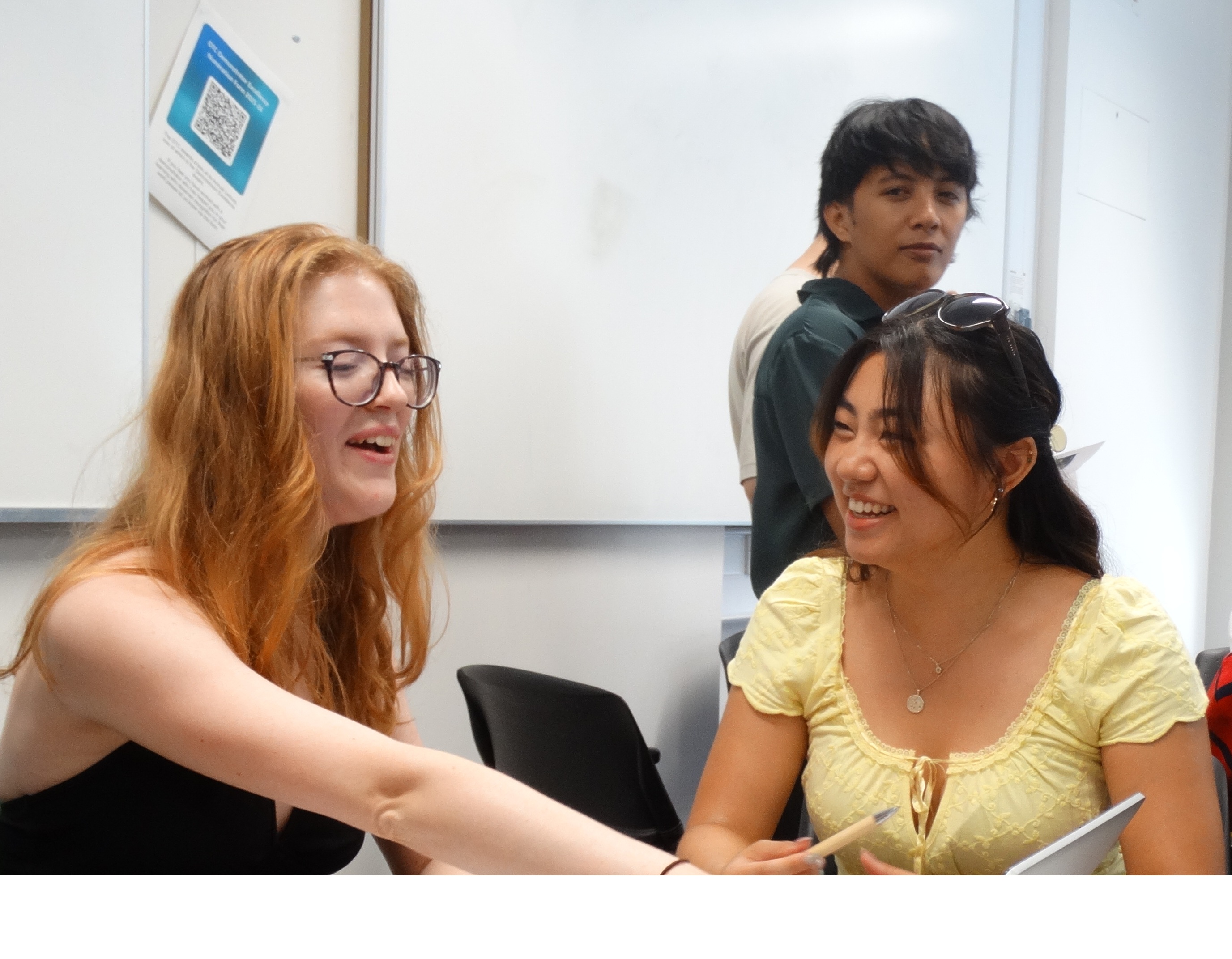
Much of the first-year training and ongoing professional skills development is based at Oxford’s Doctoral Training Centre. The DTC is more than a teaching venue. It is a place where students from different interdisciplinary doctoral programmes support each other, share ideas and discover that someone working on a very different system may be wrestling with the same modelling, data, imaging, experimental or communication challenges.
Learning across disciplines
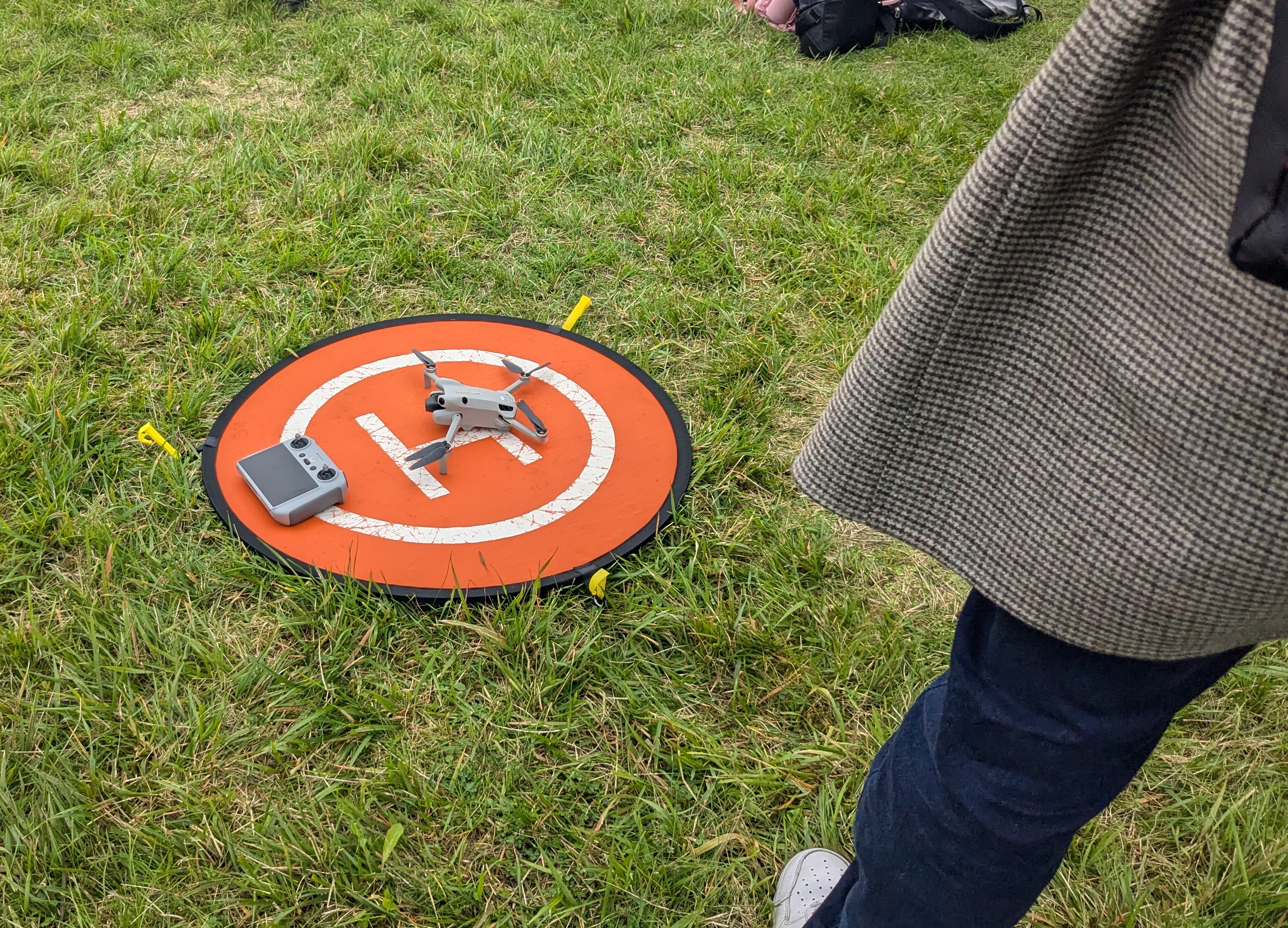
ILESLA is designed for students who are willing to challenge themselves to expand their knowledge and skills. A biologist may build confidence in coding, statistics or modelling. A physicist or mathematician may learn the language of molecules, cells, organisms or ecosystems. An environmental scientist may gain new expertise in AI, data science, imaging or computational methods.
Support, wellbeing and inclusion
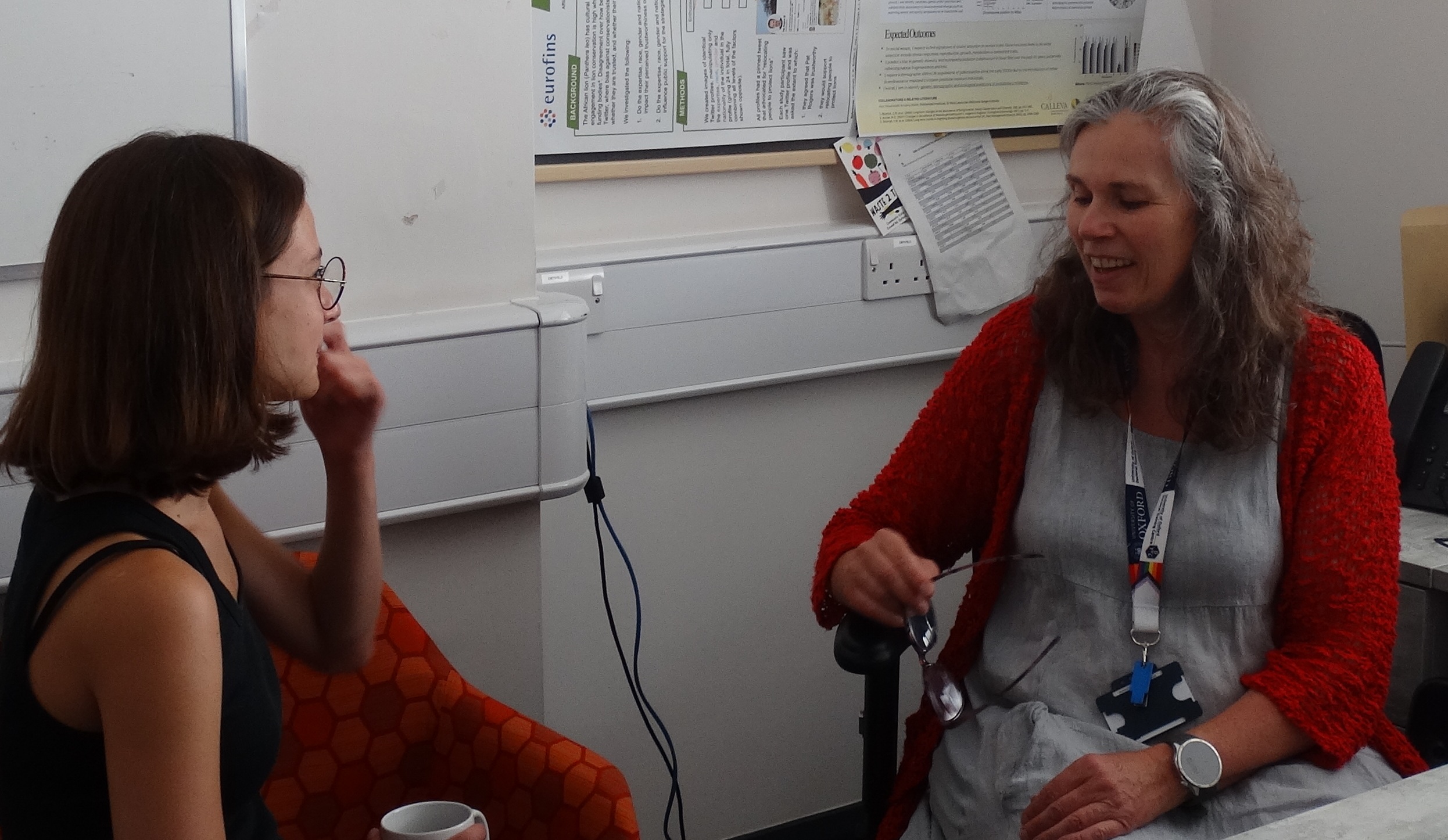
ILESLA is designed to support students with different backgrounds, experiences and routes into doctoral research. Support comes through multiple routes: programme staff, supervisors, colleges or admitting institutions, DTC staff, peer networks and wider university services. Students are encouraged to raise wellbeing issues early, and the programme’s cohort-based structure is intended to make it easier to build community.
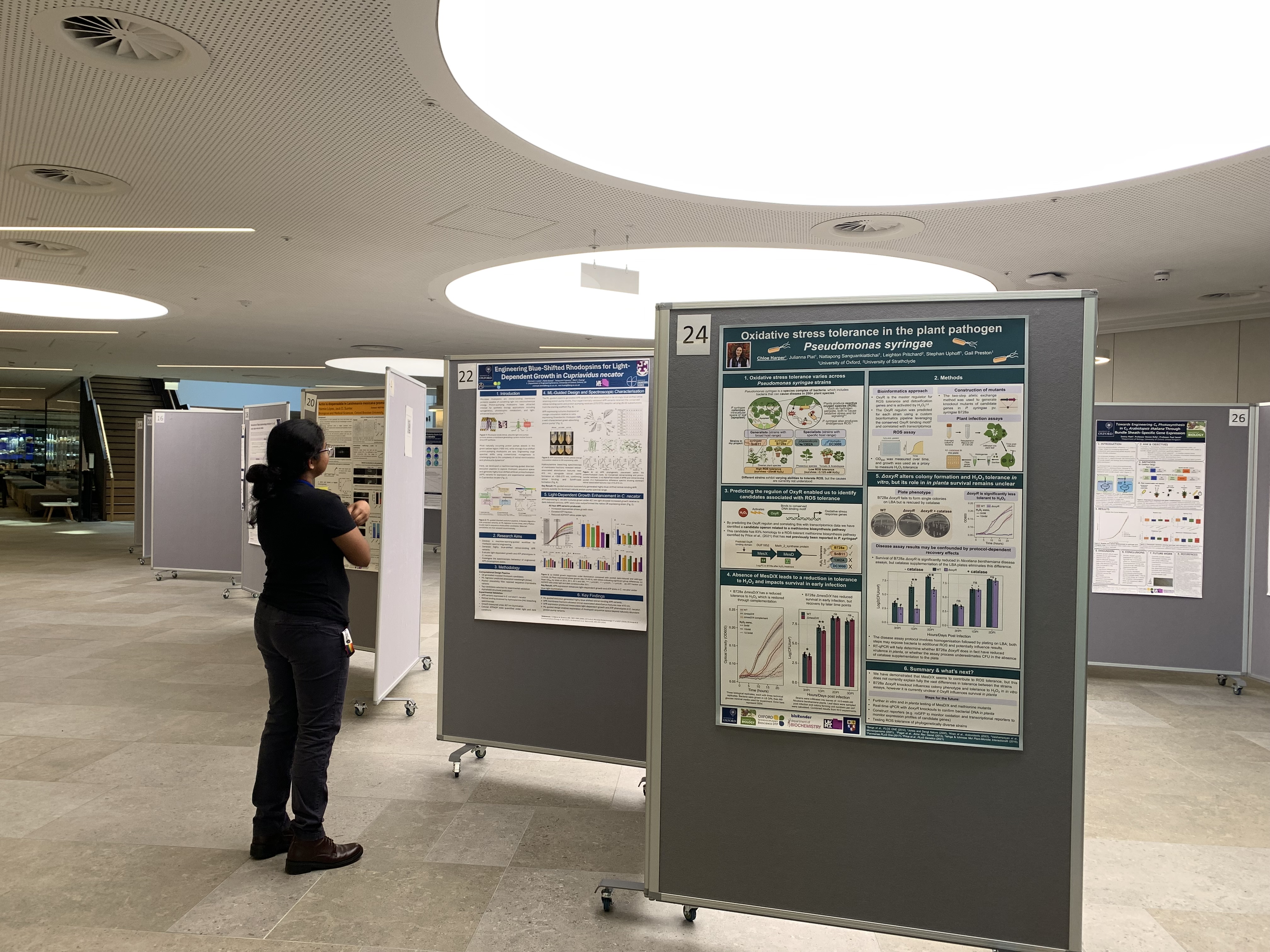
Professional development throughout the doctorate
Your doctoral training continues after the first year. Through ILESLA, the DTC and wider university provision, you can develop skills in research design, communication, data analysis, coding, project management, public engagement, entrepreneurship, teaching, leadership, writing and career planning
Internships and life beyond academia
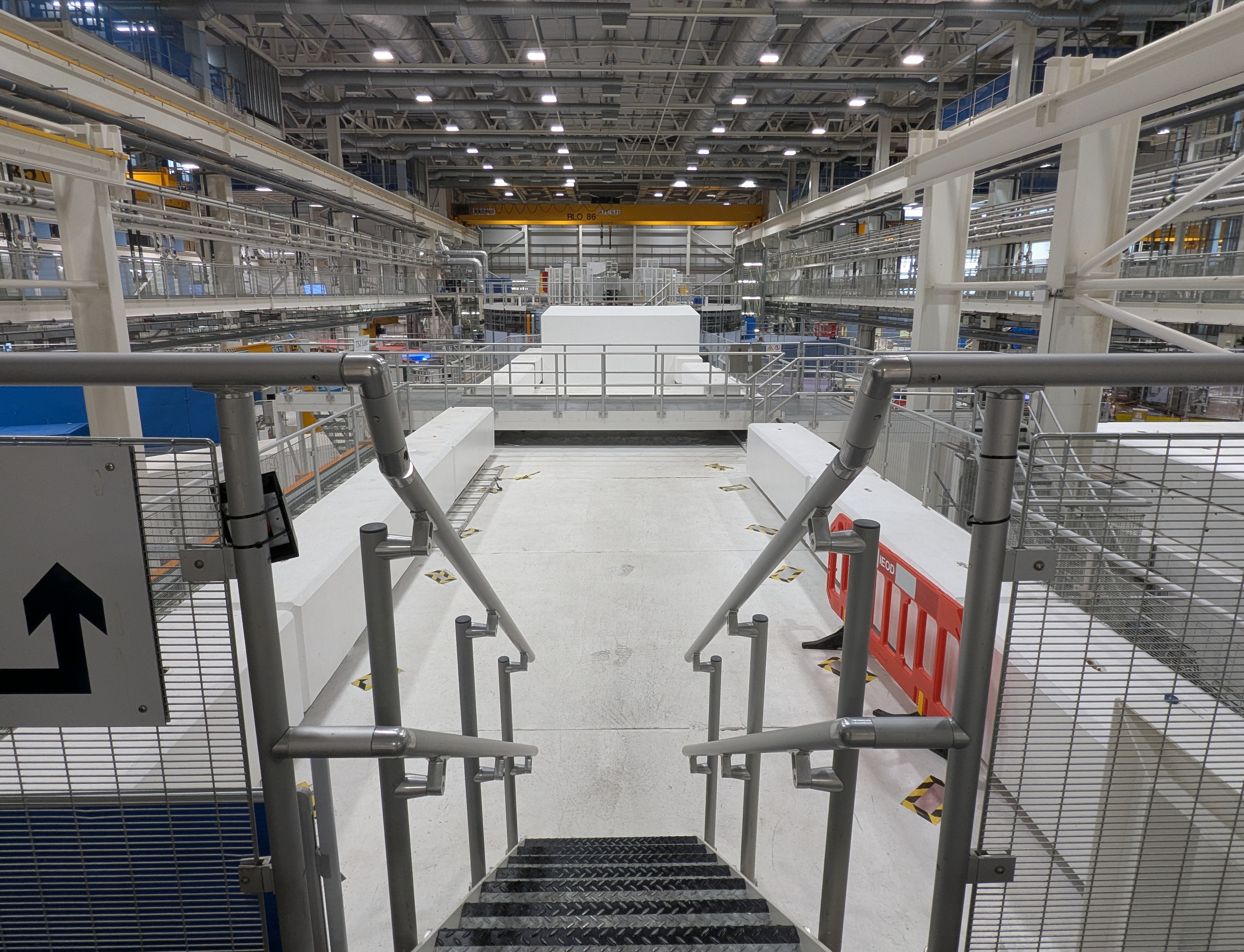
Every ILESLA student undertakes a 12-week internship or placement with a non-academic partner organisation. That experience helps you see where doctoral skills can take you. You may work with industry, government, policy, charities, conservation organisations, research facilities, start-ups, public engagement teams or other partners. You might use the internship to deepen your project impact, explore a career direction, understand a sector or test how your skills work outside the university. ILESLA graduates should be able to move confidently between academic research and wider professional contexts. Some will stay in academia. Others will work in industry, data science, policy, environmental consultancy, biotechnology, agri-tech, research facilities, science communication, entrepreneurship, government, NGOs or other sectors. The internship is a practical way to open those doors.
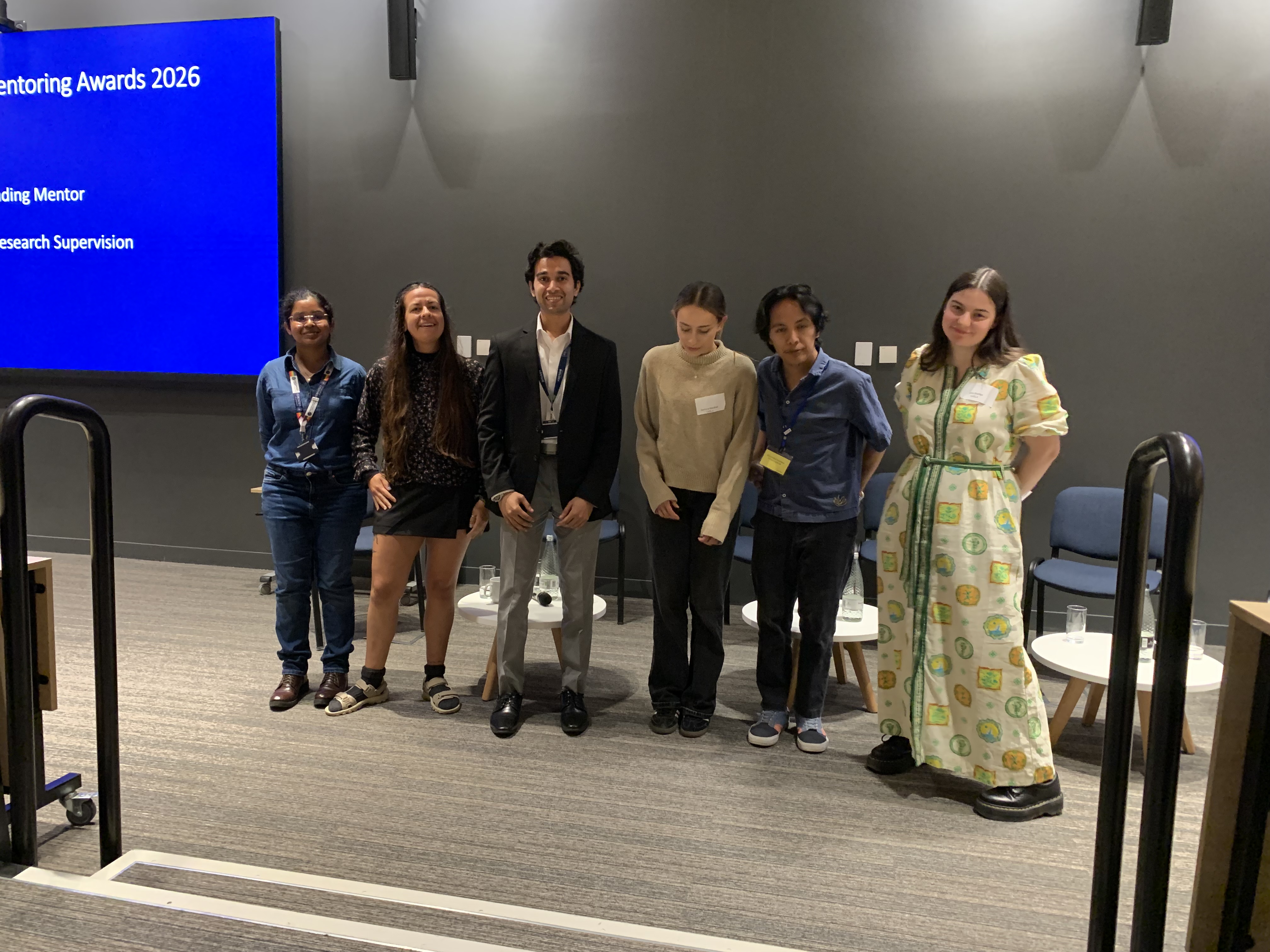
Student voice and community events
ILESLA is a programme that you help shape. There are a variety of ways for you to contribute to programme life, including feedback on modules, annual reporting, the symposium, seminars and opportunities to share news, achievements, outreach and other activities.